

Recognizing and Preventing Elder Fraud
05/28/2026
By: Angela Werntz
Recognizing and Preventing Elder Fraud
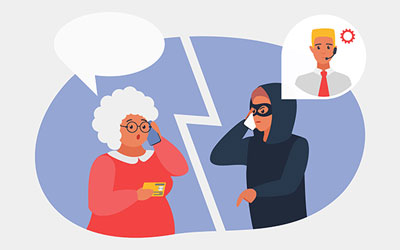
Financial scams targeting older adults continue to rise nationwide, making awareness and prevention more important than ever. At INOVA Federal, we are committed to helping our members and community stay informed and protected from fraud.
According to the Federal Trade Commission’s Protecting Older Consumers 2024–2025 report, fraud losses reported by adults age 60 and older increased dramatically from approximately $600 million in 2020 to $2.4 billion in 20241. Much of that increase came from scams involving losses greater than $100,000, including investment scams, romance scams, and impersonation schemes1.
Understanding how these scams work is one of the best ways to help prevent them.
Common Scams Targeting Older Adults
Fraudsters use a variety of tactics to gain trust and create urgency. Some of the most common scams include:
Investment Scams
The FTC reports that older adults lost more money to investment scams than any other type of fraud in 20241. Many scams began through social media platforms and promised high returns with little risk.
Tech Support Scams
Scammers may claim there is a problem with your computer or device and request payment or remote access. Older adults reported losing $159 million to tech support scams in 2024 alone1.
Government Impersonation Scams
Fraudsters pretend to represent agencies like the IRS, Medicare, or Social Security Administration and may threaten penalties or demand immediate payment.
Romance and Prize Scams
Scammers build emotional trust online or claim you’ve won a prize, then request money, gift cards, or personal information.
How to Help Prevent Elder Fraud
While scams are becoming more sophisticated, there are important steps you can take to protect yourself and your loved ones.
Slow Down and Verify
Scammers often pressure people to act quickly. Take time to verify unexpected calls, emails, or messages by contacting the organization directly using trusted contact information.
Never Share Sensitive Information
Avoid giving out account numbers, passwords, Social Security numbers, or online banking credentials unless you initiated the contact and know who you are speaking with.
Be Skeptical of Unusual Payment Requests
Requests for payment through gift cards, wire transfers, cryptocurrency, or payment apps are major red flags.
Monitor Accounts Regularly
Review your financial accounts frequently and report suspicious activity immediately.
Talk Openly About Scams
Conversations with family members and trusted friends can help everyone stay informed about current fraud tactics.
How INOVA Federal is Helping Keep Your Finances Safe
At INOVA Federal, we are proud to support the financial safety and well-being of our members and our community every day.
INOVA Alerts
Gain peace of mind with 24/7 INOVA Alerts. By getting alerts when you use your INOVA debit or credit card, you can control your spending and monitor potentially fraudulent activity on your accounts.
Card Security
Debit and credit card fraud are common. At INOVA, our cards include chip protection and you take advantage of Visa® Fraud Monitoring, setting up Travel Notices, and getting INOVA Alerts.
Visit our Security Center page for more information.
1Federal Trade Commission. (2025, December 1). FTC Issues Annual Report to Congress on Agency’s Action to Protect Older Adults [Press release]. https://www.ftc.gov/news-events/news/press-releases/2025/12/ftc-issues-annual-report-congress-agencys-actions-protect-older-adults#:~:text=The%20report's%20key%20findings%20include:%20*%20Older,claims%20*%20Undisclosed%20fees%20for%20senior%20housing
